You know how crucial targeting is for any local marketing campaign.
Getting an ad in front of the right person matters just as much as the offer itself. We often get asked how eddm routes are chosen for the Community Postcard to ensure maximum return on investment.
Let’s look at the data behind these decisions and explore practical ways to reach the best local customers.
Who actually gets the card
Targeting homeowners in specific local neighborhoods is the primary goal of the mailer. The answer comes down to postal zones and precise geography.
Each edition reaches 2,500 homes, and we build that number from USPS carrier routes chosen for single-family, owner-occupied homes.
Our approach targets properties where residents hold the decision-making power. More than half of U.S. adults own homes, but we isolate the specific neighborhoods with the highest concentration of property owners.
A 2026 Houzz study found the median planned renovation spend is $15,000. These owner occupied mail routes connect advertisers directly with residents actively investing in their properties.
Carrier routes, explained
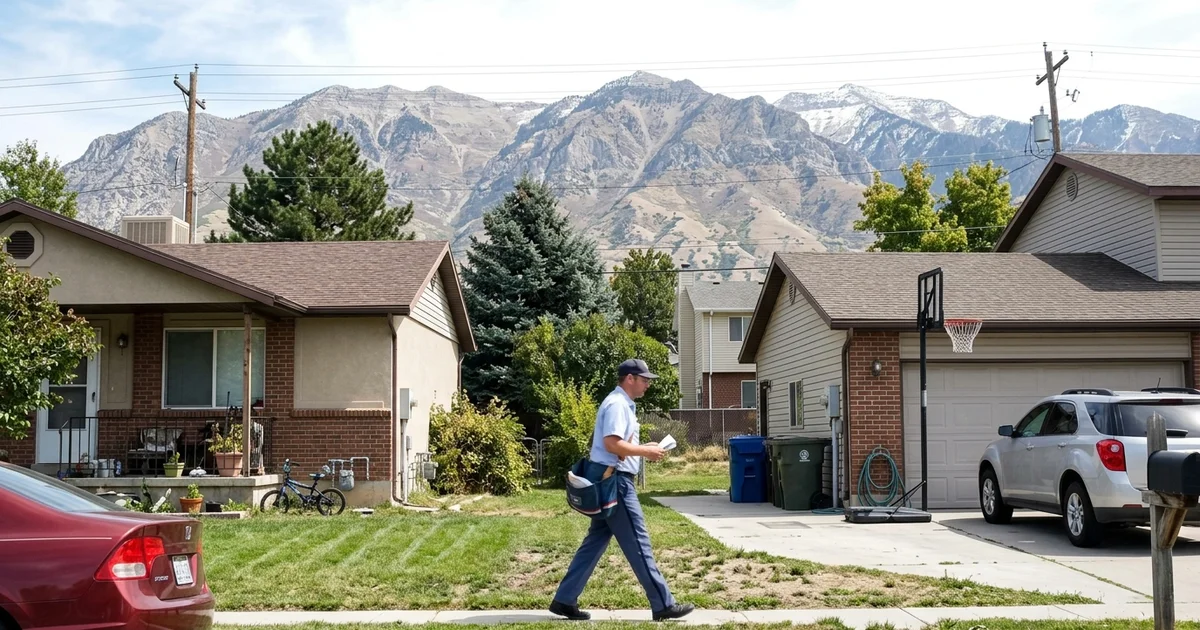
A carrier route is the exact delivery path a single USPS letter carrier covers during a shift. The Postal Service divides every ZIP code into these manageable sections.
Some routes contain a few streets of houses, while others include apartment complexes, businesses, or rural boxes.
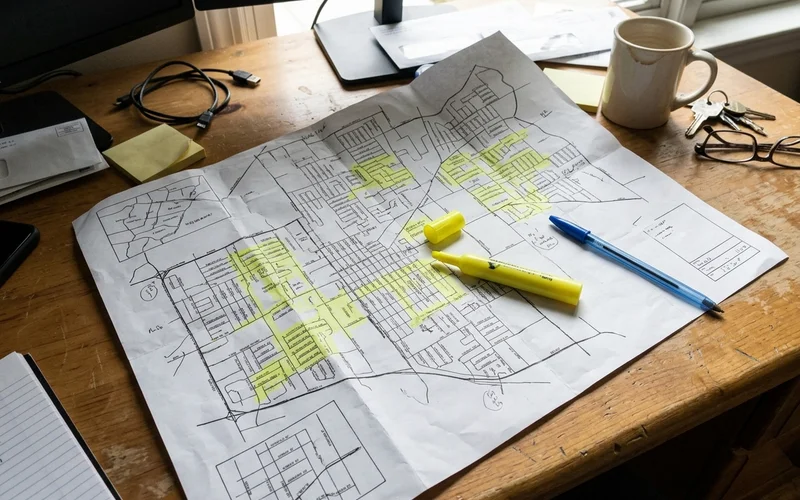
We mail the card through USPS Every Door Direct Mail (EDDM). This program lets you pick routes, and the carrier delivers a card to every address on them.
You do not need to purchase a mailing list with this method. A standard USPS carrier route typically contains 300 to 600 daily deliveries. If EDDM is new to you, read what is EDDM to see how the system works.
How we pick routes for each edition
Route selection is where a shared card earns its value. We look at each route in the edition city and ask a few targeted questions:
- Is it mostly single-family homes? Homes with yards, roofs, driveways, and garages need the services most of our advertisers offer.
- Are most homes owner-occupied? Owners make decisions about repairs, upgrades, and local providers. They are the people who hire roofers and book dental cleanings.
- Is it residential? Routes heavy with businesses or apartments are usually skipped.
- Does it add up cleanly? We combine routes until the edition reaches exactly 2,500 homes.
Nearly 40% of U.S. homeowners now live mortgage-free. This high equity translates to available capital for home services and local spending.
Our eddm carrier route selection process prioritizes these established residential areas to maximize advertiser ROI.
Why skip apartment-heavy routes?
Renters often do not make decisions about roofs, landscaping, or HVAC, and they tend to move more frequently. For most advertisers on the card, owner-occupied homes are the better audience.
Routes by edition
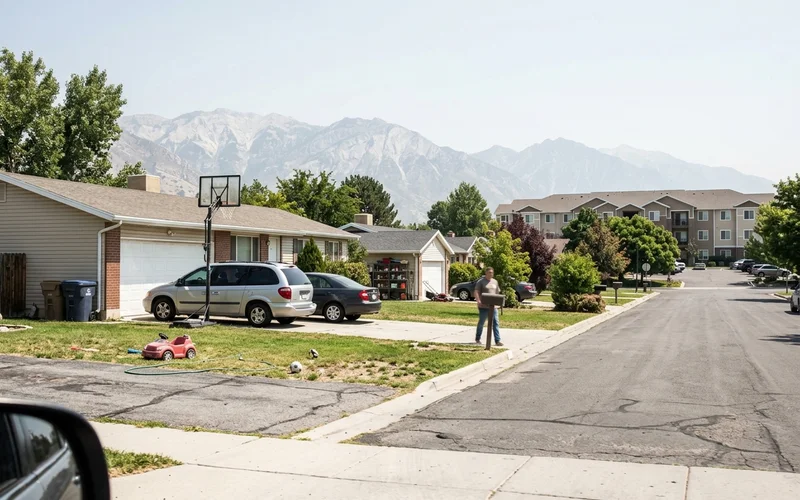
Each city has its own edition, and each edition has its own routes and open categories. We analyze local market data to identify the strongest neighborhoods for every mailing.
| Edition | Route focus | 2026 Median Home Value |
|---|---|---|
| Draper (current edition) | Owner-occupied neighborhoods such as Corner Canyon and Traverse Ridge | ~$855,000 |
| Sandy | Owner-occupied routes east and west of State Street | ~$600,000+ |
| Cottonwood Heights | Homeowner neighborhoods near the base of Big and Little Cottonwood Canyons | ~$774,000 |
Routes are set for each edition to guarantee consistent delivery. Check local property values to understand the buying power in these specific areas.
If you want to know which neighborhoods are on the next mailing, ask us. Learn more on the Draper edition, Sandy edition, and Cottonwood Heights edition pages.
What if you want different routes?
Routes are the same for everyone on the shared card, keeping the price at $249 for a single spot. This shared structure provides incredible value for local reach.
If you need specific streets or a different part of Salt Lake County, a solo EDDM mailing lets you choose your own routes.
Solo mailings offer complete geographic control but come with higher individual costs. The USPS retail postage rate for EDDM rose to $0.26 per piece in July 2026.
Sending 2,500 solo postcards costs $650 just for postage, not including design and printing. Compare the two approaches in co-op postcard vs solo EDDM postcard to find the best fit.
What EDDM route data tells us
When planning an edition, we look at each carrier route’s basic makeup. Key factors dictate which areas make the final cut:
- Total Address Count: Validating the exact number of deliveries per route.
- Residential Density: Ensuring the path is not dominated by commercial zones.
- Route Classifications: Filtering out codes that indicate business-heavy delivery paths.
We combine the best routes in the edition city until we reach 2,500 homes. Every route has a specific ID code, like C008 for a city path, which helps us screen areas accurately.
This careful filtering is why the final delivery number is fixed. Every advertiser knows exactly what their spot covers, eliminating the guesswork of scattered delivery.
Why routes stay the same for everyone on the card
On a shared card, every advertiser’s ad goes to the exact same homes. That unified approach is part of what keeps the price low.
We execute one print run and one mailing, splitting the cost up to 16 ways.
Printing and prepping a single 2,500-piece batch saves hundreds of dollars compared to processing individual orders. It also means the card cannot be customized for one business’s preferred streets.
A solo mailing remains the better fit if you require hyper-local targeting down to a single street.
Neighborhoods by edition
Each city edition has its own distinct character and demographic makeup. We shape the routes to capture the strongest residential pockets in each area.
- Draper routes favor established neighborhoods such as Corner Canyon and Traverse Ridge, featuring many newer homes on the hillsides.
- Sandy routes cover owner-occupied areas on both sides of State Street, spanning from older streets to foothill neighborhoods.
- Cottonwood Heights routes focus on properties near the base of Big and Little Cottonwood Canyons, often including neighborhoods like Bywater.
Because routes are set for each edition, ask us which neighborhoods are on the next mailing before you reserve a spot. Getting this information early helps you align your messaging with the local audience.
Routes and repeat exposure
Choosing the 3-run pack ensures your spot appears on three consecutive mailings. That repeat exposure helps homeowners remember your name when they need your service.
Direct mail response rates typically jump when a recipient sees a brand multiple times.
Ask us how routes are planned across your mailings when you reserve a spot. We map out the schedule so you know exactly what to expect over the quarter.
This consistency builds familiarity and trust within the target neighborhoods.
What this means for your ad
Write your ad specifically for homeowners to match the audience receiving the card. Proven strategies for local services include:
- Free Estimates: Lowers the barrier to entry for big-ticket repairs.
- Seasonal Tune-Ups: Perfect for HVAC and landscaping companies.
- New-Patient Specials: Drives immediate bookings for dental and medical practices.
Using specific numbers, like $50 off rather than a vague percentage, often drives a better response. Our free ad design service helps you shape this message effectively.
Proven layouts highlight your best offer and make your contact information pop. A strong, clear call to action gives the homeowner an easy next step.
Questions about the next edition?
Reach out early to secure your spot, as popular categories fill up fast. Contact us or call Tyler at (385) 360-1966.
We will tell you which routes are planned, the next mail date, and which categories are still open.