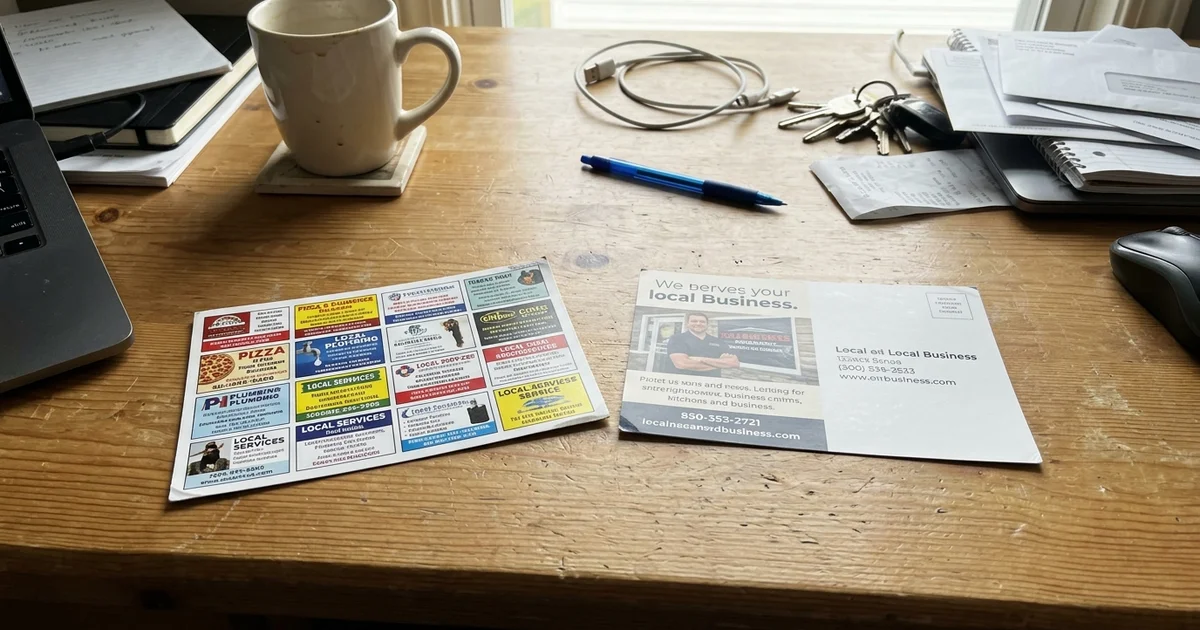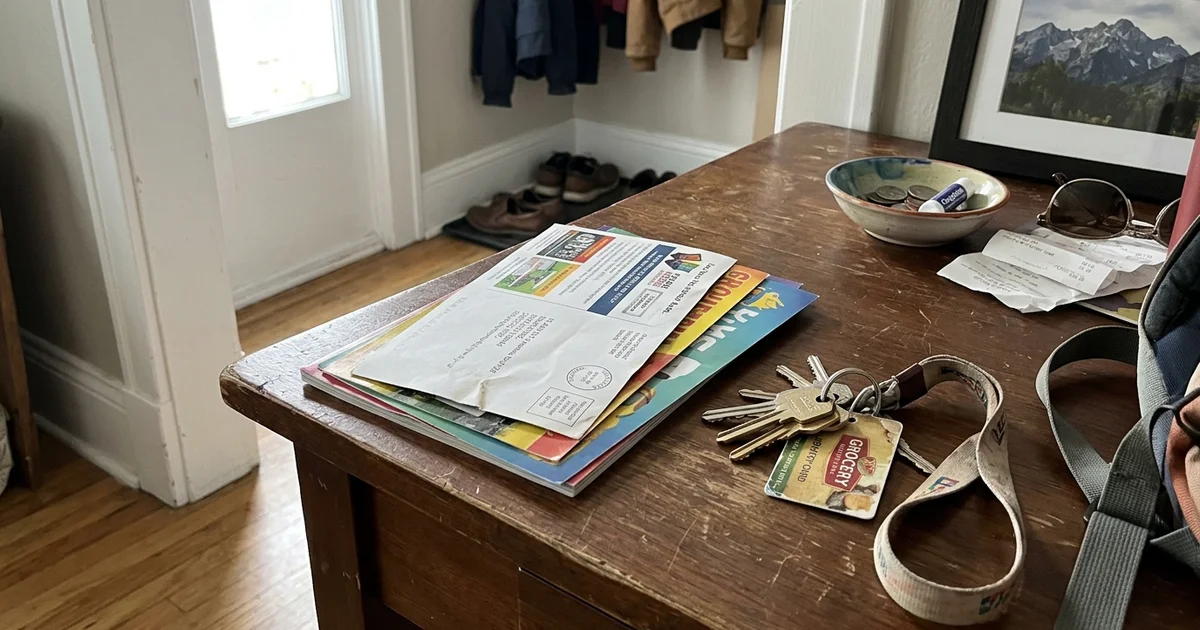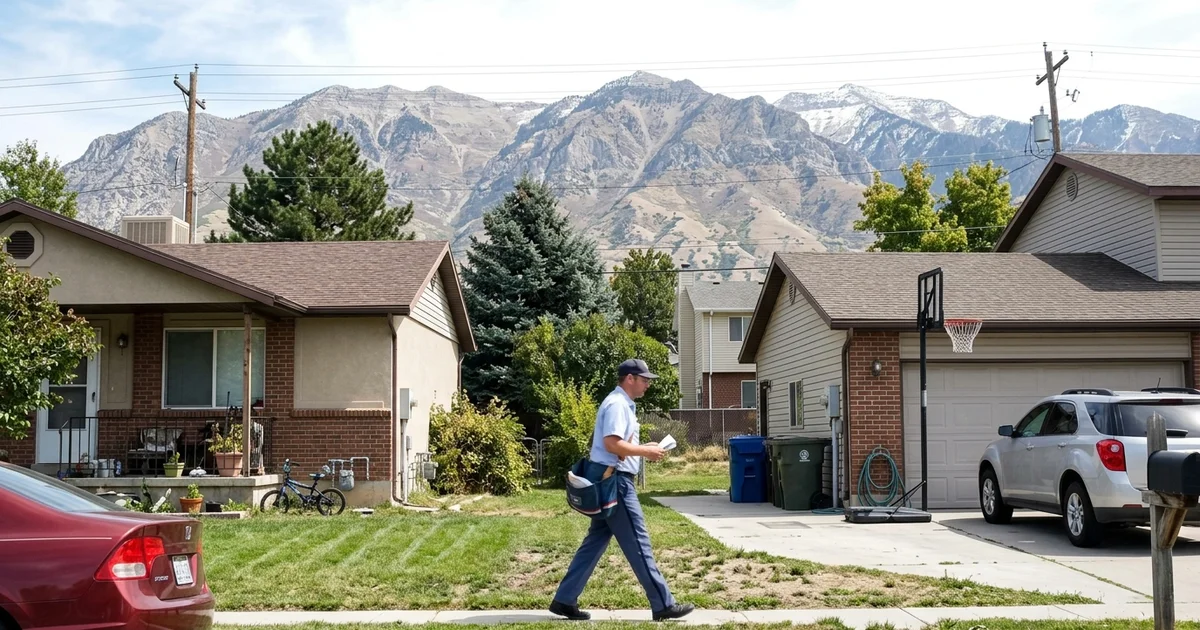
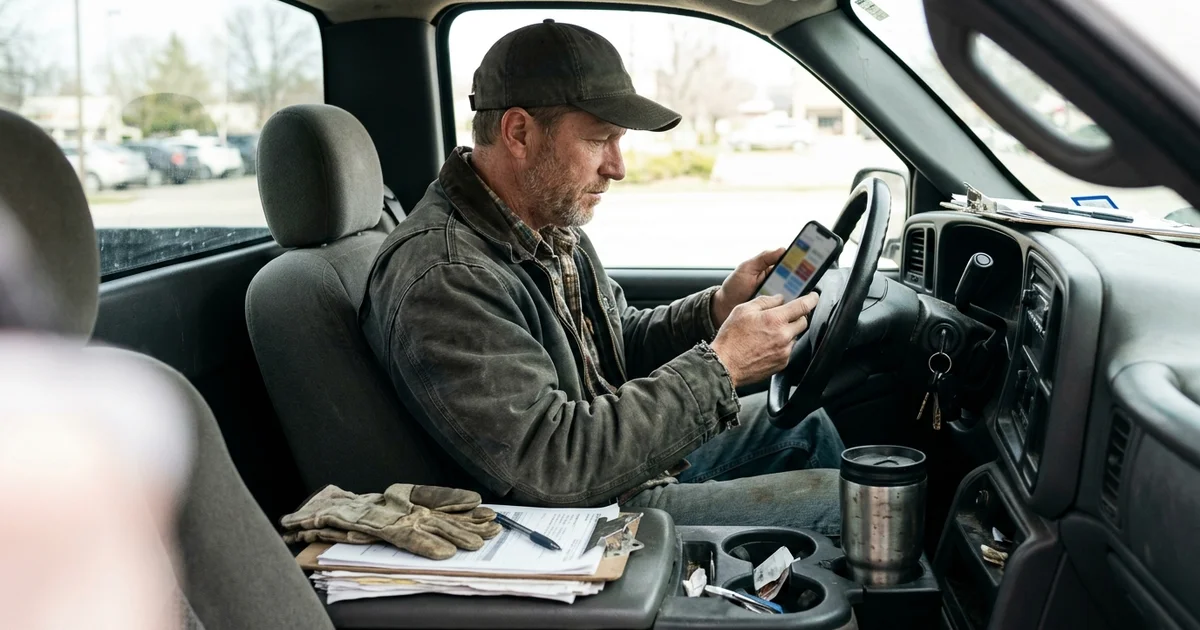
When evaluating local marketing options, you might naturally ask, is co-op mail advertising right for my business? The simple answer is that it works incredibly well, provided your services align with the homeowners receiving the card.
Our professional service team has analyzed the latest data to see what actually drives results. A 2026 United States Postal Service report shows they processed 56.8 billion pieces of marketing mail last year, proving the mailbox remains a highly competitive space.
We are going to look at the numbers, define the exact fit criteria, and explore how to track your success.
A quick fit check
A shared mailer is an excellent choice if your target audience consists of single-family homeowners in specific local cities. The Community Postcard works exceptionally well for many local operators, but it is certainly not for everyone. Our initial advice is to review a few honest criteria before spending your marketing budget. Asking yourself these questions will clarify if a co-op mailer fit makes sense for your goals.
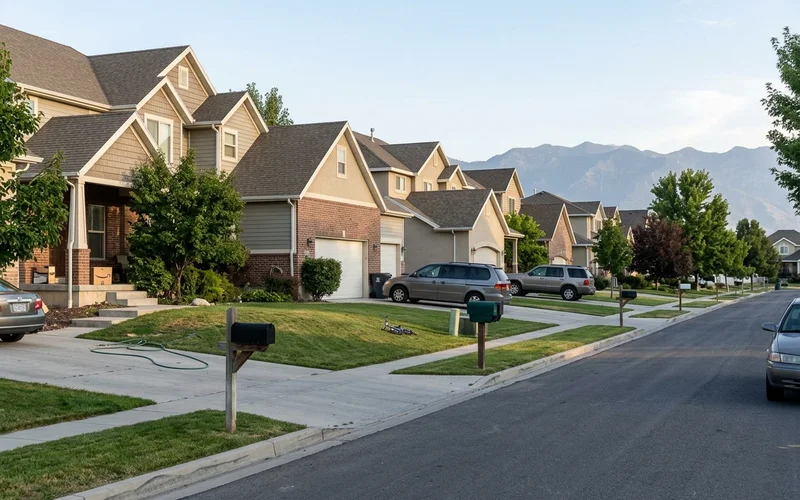
- Do your customers own homes? The card goes exclusively to United States carrier routes made up of single-family, owner-occupied properties. According to a 2026 direct mail industry benchmark from Postalytics, local small business campaigns achieve an average open rate of 35.27%, making targeted routes incredibly valuable.
- Do you serve Draper, Sandy or Cottonwood Heights? These specific Utah cities currently have a dedicated postcard edition.
- Can you make one clear offer? A specific, easy-to-use discount gives readers a compelling reason to act immediately.
- Would a new customer from these neighborhoods be worth more than $249 to you? That is the exact price of a single spot on the mailer.
- Can you answer the phone or reply to texts when people respond? The card only works if your team can provide quick answers to incoming leads.
Who gets the most from a shared card
Local service providers, health professionals, and neighborhood businesses see the highest return from shared mailers. These companies thrive because homeowners naturally prefer hiring nearby experts for routine maintenance and personal care. We have noticed that specific industries consistently outperform others on these routes. Direct mail statistics for 2026 show an average response rate of 2.96% for local small businesses, and certain trades do even better.
The most successful categories on the card include:
- Home-service trades. Roofers, HVAC companies, plumbers, electricians, landscapers, painters, and pest control services are top performers. Homeowners on owner-occupied routes constantly need these services. They often pin a useful card to the fridge for the next emergency. A 2026 Postalytics report notes that adding a personalized local touch can increase response rates by 135%.
- Health and personal care. Dentists, chiropractors, med spas, and salons also perform incredibly well. People usually select these providers based on geographic convenience. Finding a local card in the mailbox puts your clinic right in front of the ideal audience.
- Neighborhood services. Gyms, child care, pet groomers, auto repair shops, and real estate agents serve people living mere minutes away. A shared postcard for small business visibility reminds residents that you are right around the corner.
You don’t need a storefront
Many of the highly successful businesses on the card operate strictly from a truck or a home office using field service software like ServiceTitan. What truly matters is that you actively serve the United States homeowners who receive the mailing.
When something else fits better
A shared card is not the right fit if you primarily target commercial clients, renters, or need total exclusivity over a custom delivery route. Sometimes, the most profitable decision is choosing a different marketing channel entirely. We always want you to invest your budget where it will generate the highest return. If your primary goal requires a massive geographic footprint, a co-op model might limit your reach.
For example, United States Postal Service Every Door Direct Mail (EDDM) retail rates increased to $0.260 per piece in July 2026. This means sending solo mailers can get expensive quickly when you factor in printing. However, solo mail is necessary if you need complete control over the layout and the exact neighborhoods.
| If this sounds like your current situation | Consider these alternatives instead |
|---|---|
| You want the whole card and your own custom routes | Solo direct mail and EDDM, priced by custom quote |
| Your customers are predominantly renters or commercial businesses | Digital marketing or highly targeted B2B outreach |
| You do not serve the specific postcard edition cities | Solo EDDM to your own chosen routes, or local SEO |
| You miss a lot of inbound calls during the workday | Fix your follow-up first with a missed-call text-back system |
| You need to show up on Google search more than in the mailbox | Digital marketing and focused local SEO |
What a strong spot looks like
A highly effective spot features one irresistible offer, simple contact methods, and a dedicated tracking system. The businesses that pull the most revenue from their mailers do not clutter the design with generic information. Our tracking data shows that simplicity always wins in print advertising. You need to grab the reader’s attention within seconds.
The companies that get the most from the card consistently execute these three strategies:
- They lead with one clear offer. A specific discount, a free seasonal inspection, or a new-patient special works much better than a bulleted list of everything you do.
- They make it easy to respond. This means providing a phone number that actually gets answered, or a scannable QR code linking to a simple landing page.
- They track every single lead. An offer code or a unique tracking phone number from a provider like CallRail shows exactly what the card brought in. You can also review how to track postcard advertising for more detailed strategies.
Using modern tracking methods is essential. A 2025 direct mail study from Stannp revealed that campaigns using QR code tracking typically see an engagement rate between 0.43% and 3.55%. We strongly recommend adding a custom code so you never have to guess about your return on investment.
If your category is taken
You should immediately ask about availability in neighboring editions or join the waiting list for the next mail drop. There is strict exclusivity, meaning we only feature one business per category on each printed card. This industry exclusivity is a massive advantage for your business. It prevents you from competing directly with another local plumber or dentist on the exact same piece of paper.
If your specific service is already claimed in the Draper edition, inquire about Sandy or Cottonwood Heights. These neighboring areas have their own separate mailings and their own open categories.
We find that securing a spot early is the best way to lock out your local competitors. In fact, localized scarcity is a proven conversion driver. When a homeowner only sees one plumber listed on the card, their decision fatigue disappears, making them far more likely to call. You can always ask about reserving a position in the next scheduled edition to guarantee your future placement.
Questions to ask yourself before you reserve
Before booking a spot, you must assess your current operational capacity and your ability to retain new clients. A proper fit is not solely about your specific industry category. It also depends entirely on how your business operates on a daily basis. We suggest analyzing your internal workflows before launching any new print campaign. Think through these practical questions before making a commitment:
- Can you handle new calls this season? If your schedule is booked solid for the next two months, a new ad might bring in phone calls you simply cannot service. Launching a campaign when you have actual room to grow is a much smarter strategy.
- Do you have a clear reason for someone to call right now? Phrases like “family-owned” or “quality work” describe almost every local competitor in the United States. A tangible offer like a “Free estimate this month” or “$50 off your first visit” gives the homeowner an immediate financial reason to act. Recent 2026 response rate data shows that specific dollar-off amounts perform better than percentage-based discounts for home services.
- Do new customers stick around? Client retention radically changes the math of direct mail. If a single new customer tends to return for years, your lifetime value increases dramatically. Dentists, weekly lawn services, and HVAC companies with seasonal maintenance plans see a massive payoff. In fact, 2026 dental industry metrics show a new patient’s lifetime value often exceeds $1,000, meaning acquiring just one loyal account covers the cost of the ad multiple times over.
- Can you track where calls come from? A scannable QR code and a discount that only appears on this specific card make it incredibly easy to prove what the mailing achieved. Setting up a dedicated tracking number ensures you capture every single incoming lead.
A note on budgets
At roughly 10 cents per household, a shared mailer provides highly competitive pricing compared to solo direct mail campaigns. A single spot costs exactly $249 to reach 2,500 targeted homes. This transparent price includes the professional design, commercial printing, and all United States Postal Service mailing fees. Our inclusive pricing model makes this one of the most cost-effective ways to get a glossy, oversized advertisement onto local kitchen counters.
To put this in perspective, the 2026 USPS EDDM retail rate for postage alone is 26 cents per piece. When you add the cost of custom printing and graphic design, solo mail becomes significantly more expensive.
| Cost Component | Shared Co-op Postcard | Solo EDDM Campaign |
|---|---|---|
| Postage | Included in flat rate | $0.260 per piece (2026 USPS rate) |
| Design & Print | Included in flat rate | $0.15 - $0.30+ per piece extra |
| Total Estimated Cost per 2,500 homes | $249 flat | $1,025+ estimated |
If you prefer to test the waters before committing to a larger spend, starting with just one edition is a smart move. For those who want repeat exposure and wish to hold their exclusive category across multiple mailings, the 3-run pack is available. This package places your exact same spot in 3 separate mailings for $649.
Payment is required at the time of reservation via credit card or ACH transfer. These available spots are strictly first come, first served. We always verify that your specific industry category is fully open in your chosen area before accepting any payment.
What other owners in your category should know
The first local business to complete their reservation instantly secures the exclusive rights for their service category. Because there is a strict limit of one business per industry on each printed card, hesitation can cost you the placement. We regularly see business owners miss out because a direct competitor reserved the spot a day earlier.
A 2026 direct mail industry report from Lob confirms that 70% of consumers feel physical mail is more personal than online interactions. Allowing a competitor to dominate that trusted mailbox space gives them a distinct advantage.
If you have been considering a campaign and dominating your local category is important to you, take action today. It is absolutely worth your time to ask which specific categories remain open in Draper, Sandy, and Cottonwood Heights. Our team can quickly check the current inventory and help you secure a prime position before the deadline.
Still not sure?
You can contact us directly to get a straightforward assessment of your business fit and check current availability. Call Tyler at (385) 360-1966 or contact us online.
Just tell us what you do and the exact geographic areas where you work. We will give you an honest, straight answer on whether the shared card is a smart move for your specific goals.
The team will also provide the next upcoming mail date and a complete list of open categories.